Oil changes feel easy to delay. After all, your car may still start. It may still drive fine. Yet old oil can hurt your engine in quiet ways. That can mean more noise, more heat, and more wear. So, knowing the signs helps you act before damage starts. It also helps you avoid a stressful breakdown. Plus, fresh oil can help your engine run smoother. It can even support better fuel use. In this post, you’ll learn the clearest signs you’re overdue for an oil change. You’ll also learn quick checks you can do at home. Most of all, you’ll know what to do next, so you protect your time and your money.
Your Oil Light Comes On, or the Reminder Pops Up
When the oil light turns on, don’t ignore it. That light can mean low oil pressure. It can also mean the engine lacks enough oil. Either way, the risk is real. So, treat it like a serious warning. Many cars also show an “oil change due” message. That message is based on time and driving patterns. It is not perfect, but it helps.
As one driver said, “I thought it was just a reminder.” Then the engine started knocking a week later. That can happen because old oil breaks down. As a result, it cannot protect metal parts as well.
If you see the light, take these steps:
- Check your oil level the same day
- Look for leaks under the car
- Avoid long drives until you confirm the cause
Also, if the red oil light turns on while driving, stop safely soon. Then shut the engine off. That choice can prevent major damage.
The Engine Sounds Louder Than Usual
Your engine should not sound harsh. It should not rattle or knock. When oil gets old, it thins out. It also loses its ability to reduce friction. So, parts can rub more. That can create ticking, tapping, or knocking sounds.
At first, you may only hear it on cold starts. However, it can get worse over time. In addition, louder engine sounds can mean the oil level is low. Low oil often happens with leaks or burning oil.
Watch for these sound clues:
- Ticking after start-up
- Knocking when you speed up
- A louder hum at idle
Also, don’t try to “turn up the radio” and forget it. Instead, check the dipstick soon. If the oil is low or dirty, an oil change may help. If noise stays after fresh oil, you may need a deeper check.
You Smell Burnt Oil or See Smoke
A burnt oil smell is a strong clue. It can mean oil is leaking onto hot engine parts. It can also mean the oil is overheating inside the engine. Either way, you should not ignore it. Because if oil burns, it can leave deposits behind.
Sometimes you may see light smoke. It may come from under the hood. Or you may notice smoke from the exhaust. However, exhaust smoke can have many causes. So, it’s best to pair that sign with other signs in this list.
Here’s what to do if you notice a burnt smell:
- Park and let the engine cool
- Look for fresh oil near the engine bay
- Check the oil level and color
Also, if the smell is strong, avoid driving long distances. Then get it checked soon. A small leak can become a big mess fast.
The Oil Looks Dark, Gritty, or Low
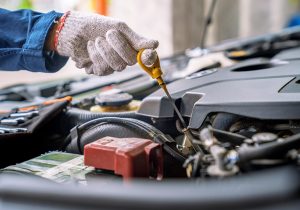
You don’t need special tools to check oil. You only need a clean rag. First, park on level ground. Next, wait a few minutes after turning off the engine. Then pull the dipstick and wipe it. After that, dip it again and check the level.
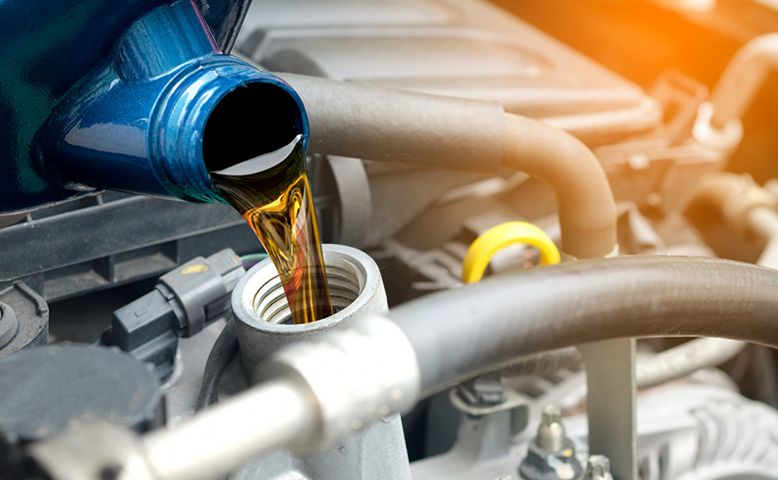
Healthy oil often looks amber. Yet oil gets darker with use. That is normal. However, if it looks very black and thick, it may be overdue. Also, if it feels gritty, it may carry more dirt.
Use this quick guide:
| What you see on the dipstick | What it may mean | What to do next |
| Light amber, smooth | Oil still has life | Keep tracking miles |
| Dark brown, smooth | Oil is aging | Plan an oil change soon |
| Black and thick | Oil is overdue | Change oil soon |
| Gritty or sludgy | Dirt buildup risk | Get it checked right away |
| Below “MIN” line | Low oil level | Add oil and find the cause |
Helpful checks you can do:
- Compare the level to “MIN” and “MAX.”
- Look for metal flecks in the oil
- Check again in one week for fast loss
Because oil protects your engine, low oil is “no big deal.”
The Engine Idles roughly or Vibrates More
A smooth idle feels steady. The engine should not shake your seat. When oil is old, it may not cushion moving parts well. That can raise vibration. It can also make the idle feel rough. In some cars, you may even feel small surges.
Still, a rough idle can come from spark plugs or airflow issues. So, you should look for patterns. For example, does it happen most on cold starts? Does it improve after you drive a bit? If so, oil may play a role.
Also, old oil can lead to deposits. Those deposits can affect engine timing in some engines. So, keeping oil fresh can help prevent that.
If the idle feels rough, try this:
- Check oil level and condition first
- Note when the shaking happens
- Listen for ticking while idling
Then, if fresh oil does not help, get a full check. That step helps you avoid guessing.
You’ve Gone Past the Miles or Time Guideline
Many people focus only on mileage. But time matters too. Oil breaks down with heat cycles. Even short trips can be hard on oil because the engine may not warm up fully. So, moisture and fuel can mix into the oil.
Driving habits that age oil faster
- Many short trips each day
- Stop-and-go traffic often
- Towing or heavy loads
- Very hot or very cold weather
- Long idle time, like in pickup lines
Also, check your owner’s manual for a range. Some cars use 3,000 to 5,000 miles. Others go longer with synthetic oil. However, the best rule is the one that fits your car and use.
A Simple “Do This Next” Plan That Protects Your Engine
If you spot one sign, stay calm. Yet if you spot two or more, act soon. First, check the dipstick. Next, look for leaks. Then decide if you should drive less until service. Also, keep receipts or notes. That helps you track patterns.
Here is a simple plan you can follow today:
- Check oil level and color
- Look under the car for fresh spots
- Note warning lights or messages
- Schedule service within the week if overdue
If you want a trained eye to confirm the cause, Sully’s Auto Repair INC can assess your oil condition and check for leaks as part of routine service. Then you can get back to your day with fewer worries, and you can drive with more confidence—what’s one small check you can do before your next commute? Contact us today!
FAQs
How often should I change my oil?
Most cars need it based on miles, time, and driving habits.
Can I drive if my oil is overdue?
You can, but you risk more engine wear with every mile.
What’s the fastest at-home check?
Pull the dipstick and look at the oil level and color.