You know that uneasy feeling when a dashboard light pops on. Your mind jumps to worst-case costs. Still, your car is often giving you an early heads-up. That is where auto diagnostics help. They act like a health check for your car. They can spot minor issues before they grow. So you save time, stress, and often money. Also, you stay safer on the road. Best of all, you do not need to guess what’s wrong. A thorough scan can pinpoint the system that needs attention. Then you can plan the next step with calm. If you have ever felt stuck after a warning light, this guide is for you.
How Auto Diagnostics Work in Simple Terms
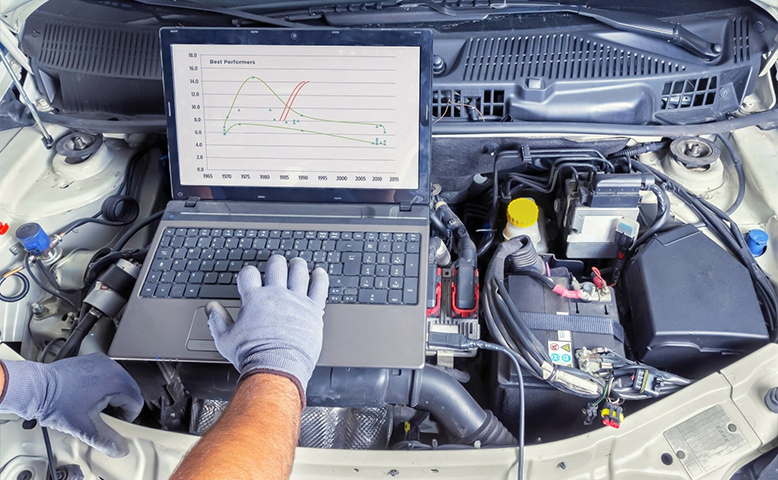
Auto diagnostics use your car’s computer to find issues. Most cars store data when something appears to be off. Then a scan tool reads that data. In many U.S. vehicles, the system is OBD-II. It has been required on 1996 and newer gasoline vehicles. When a sensor reads a value outside the normal range, the car may store a code. That code is referred to as a diagnostic trouble code, or DTC. Additionally, the car may activate the “check engine” light.
Diagnostics do not “fix” the car. However, they narrow the search. That means less guessing. It also means faster, clearer decisions. As a driver once told me, “I relax once I know what system to focus on.” That is the real win.
Warning Lights: What They Really Mean for You
A warning light is like a smoke alarm. It does not tell you the full story. Still, it tells you to look closer. The check engine light can indicate a variety of issues. For example, it can point to a loose gas cap. It can also point to misfires or sensor faults.
One detail matters a lot: flashing lights. A flashing check engine light can signal a severe misfire. Additionally, driving in that manner can damage the catalytic converter.
Catching Small Problems Before Big Damage
Minor problems often start quietly. Then they snowball. Diagnostics help you stop that chain early. So instead of replacing a significant part later, you might fix a small cause now.
For example, a failing oxygen sensor can affect the fuel mix. Over time, this can lead to increased emissions. It can also stress parts in the exhaust system. Likewise, a misfire can start as a tiny stumble. Yet if it stays, it can damage other parts. Here are common “small first” issues diagnostics can catch:
- Weak batteries and charging problems
- Early coolant temperature issues
- Air leaks that change engine breathing
- Fuel trim problems that hint at clogging
Because you act sooner, you keep your car more reliable. Also, you reduce surprise breakdowns. That means fewer missed school runs and fewer late workdays.
What a Diagnostic Report Often Includes
A good diagnostic readout usually shows more than one line. It can include codes, status checks, and live readings. So you get a fuller picture. Here is a quick table of everyday items and what they help with:
| Report Item | What does it tell you | Why it helps you |
| DTC codes | Which system flagged a fault | Narrows the search |
| Freeze frame | Conditions at fault time | Adds context |
| Live data | Sensor readings right now | Confirms patterns |
| Readiness monitors | If self-tests are complete | Helps inspections |
Additionally, readiness monitors are crucial for emissions checks. They show whether the car completed its self-tests. This is useful for you because it allows you to avoid failing an inspection due to a “not ready” status.
Smart Questions to Ask After a Scan
Diagnostics are most helpful when you ask clear questions. That keeps you in control. It also helps you avoid confusion.
Here are questions that usually lead to better answers:
- “What caused the code to set?”
- “What test confirms the real cause?”
- “Is it safe to drive today?”
- “What happens if I wait two weeks?”
Also, ask if there are related codes. Sometimes one issue triggers others. So you want the root cause, not just the first code. Use this simple rule: confirm before replacing parts. As a result, you reduce repeat visits. You also protect your budget.
DIY Tools vs. Pro Diagnostics: Where Each Fits
Many drivers buy small OBD2 scanners. They can be helpful. They can read codes and clear lights. Still, they have limits. Some issues need deeper tests. For example, you may need smoke testing for air leaks. You may also need load tests for electrical systems. A good plan is to use DIY scans for early awareness. Then use deeper diagnostics when the problem is unclear.
Here’s a simple guide:
- DIY scan: good for reading codes and noting patterns.
- Deeper testing: best for wiring issues and repeat faults.
- Road test data: helpful for problems that come and go.
Additionally, clearing codes too soon can mask the actual issue. So write the code down first. Then decide the next step. This keeps you from chasing the same problem twice.
A Small Habit That Can Save Your Next Trip
If you want fewer surprises, build one small habit. When a light appears, scan it promptly. Then act on what you learn. This is not about fear. It is about control. Also, it supports safer driving. Keep a simple log on your phone. Note the date, the code, and how the car felt. Then you can spot patterns. As a result, you can plan repairs around your schedule.
Strangely, it is like home care. Sully’s Auto Repair Inc always does small checks to prevent big headaches later. The same idea fits cars. So if your car could “talk,” it would likely ask for attention early, not late. So don’t waste your time and call us today!
FAQs
Do I need auto diagnostics if my car feels fine?
A: Yes, because some issues start silently and show up in stored codes.
Is it okay to drive with a flashing check engine light?
A: No, because it can signal a severe misfire and risk more damage.
What should I do before clearing a code?
A: Write down the code and freeze frame details first for better next steps.